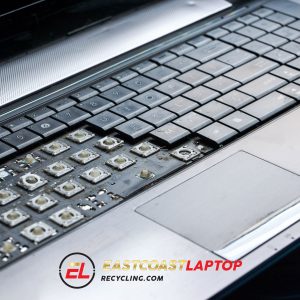
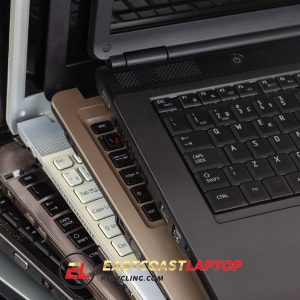
In the age of technology, computers and laptops are essential for work, school and other different places. Additionally, with an increasing number of services changing to online platforms, there is a growing amount of computers and laptops being used. With a wealth of these products being utilized, they eventually wear out and should be disposed of. Therefore, with a multitude of laptops and computers being disposed of each day, incorrect disposal could cause these scrap materials consume space in landfills which prompts more pollution. To avoid this, it is crucial to be acquainted with the process of laptop recycling.
Recycling computers allows fundamental metal scrap to be reusable. Some of these reusable materials include:
- Circuit boards
- Keyboards
- Hard drives
- Computer wires
- Cables
- Heat sinks
- Transformers
Materials like heat sinks, transformers, computer wire and more contain copper and aluminum components for reuse to make different items.
To recycle laptops and computers, one must be comfortable with the process of recycling laptops.
The process of recycling computers consists of:
- Collecting and sorting the laptops and computers.
- Breaking the laptops and computers down with a hammer or hammering mill.
- Separating the individual components.
- Taking these individual components to their different recycling points for further processing.
- Finally, packing non-recyclable materials and properly disposing of them in an efficient manner.
Recyclers make a point to follow EPA regulations during this process to guarantee safety and environmental protection. Since the process of recycling laptops has been examined, it is important to get a handle on why performing this process is significant.